A pest survey of the eastern suburbs terrace
This guide treats a terrace house and the street around it as a set of measured drawings: the roof void, the kitchen, the timbers above the sandstone, the café on the corner and the contract on the table. Each sheet takes one pest question and gives the New South Wales rule or official advice that answers it.
A guide published by Dotto from the official sources listed at the foot of each page: the NSW Environment Protection Authority (EPA), the NSW Food Authority, the NSW Government’s buying and building pages, and the health and science agencies that describe the pests themselves.
Five places on one street
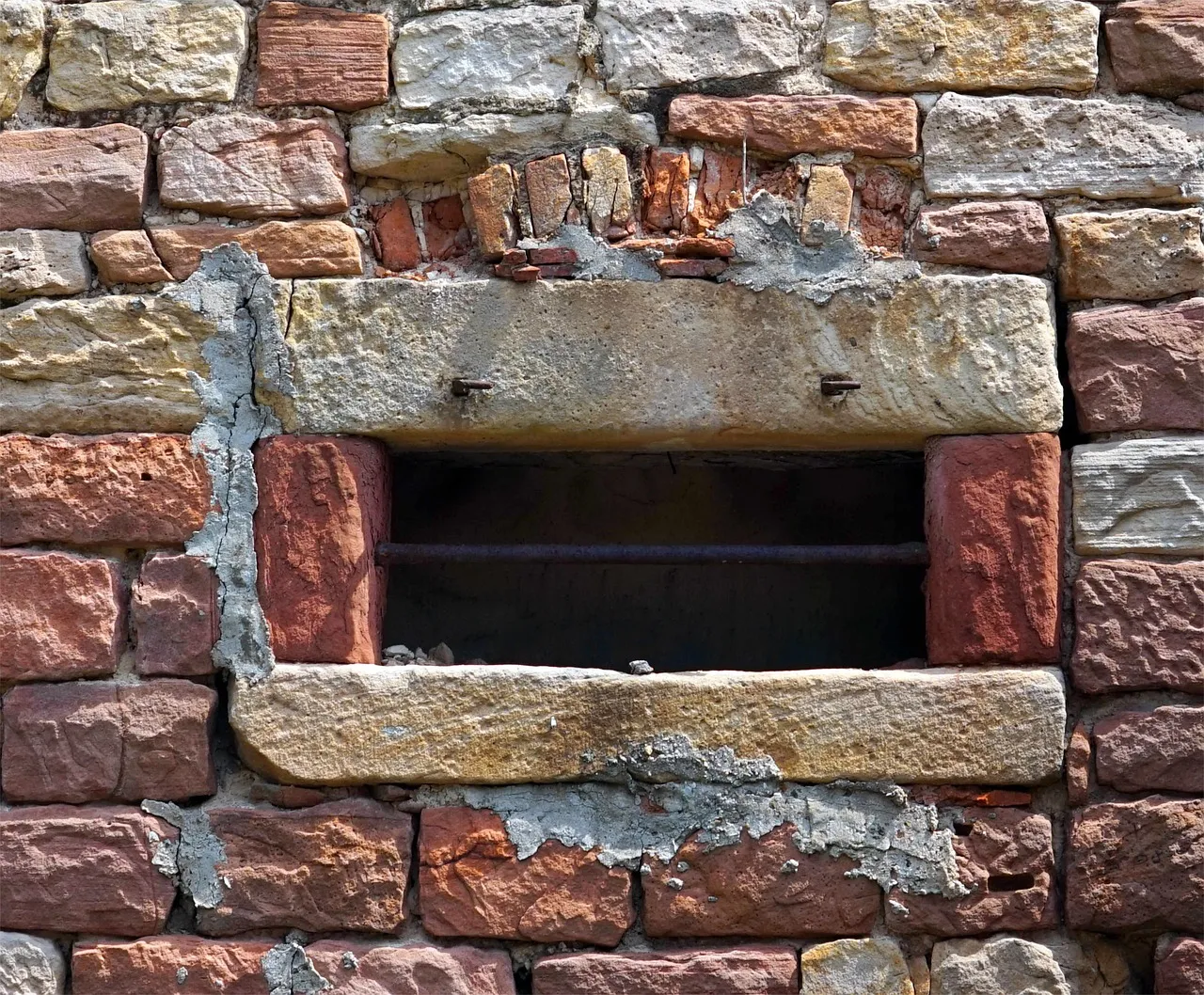
- 1The front doorA building inspection report should pick up visible termite damage, but it will not say whether termites or other timber pests are still there, so the NSW Government suggests a pest inspection as well. Sheet 01 on pest and building reports.
- 2The roof and wall voidsSome cockroaches tend to keep out of the rooms. Victoria’s health department says the American cockroach usually avoids living areas, keeping to roof, wall and subfloor spaces and to sewers and grease traps. Sheet 02 tells six species apart.
- 3The tent lineDrywood termites are more common in humid places, the CSIRO says, such as the tropical and subtropical parts of Queensland and New South Wales, and an extensive infestation that foam or dust cannot clear may need the building tented and fumigated. Sheet 03 on who may fumigate.
- 4The corner caféA licensed pest controller is not a legal requirement for a food business in NSW, the Food Authority’s fact sheet says, but using one can help a business show it is taking all practicable measures against pests. Sheet 04 on a café’s pest file.
- 5The timbers above the sandstoneSubterranean termites, also called white ants, do the most damage to timber in NSW, the EPA says, and rot fungi take hold only in timber whose moisture content sits between 20% and 60%. Sheet 05 on timber pests and fungi.
Five sheets
Each sheet answers one question from the agency or law that owns the answer. Where a rule belongs to New South Wales, the sheet says so; where a description comes from another state’s agency, it says that too.
- 01Buying a home: pest and building reports
What a building report covers and leaves out, why termites need their own inspection, and how the NSW cooling-off period and the 66W certificate set the timing.
- 02Cockroaches
Six pest species told apart by size, colour and habits, where in a house each one tends to live, and why naming the species shapes the treatment.
- 03Fumigation licences in NSW
The gases that need a fumigator licence, who may hold one, the few exemptions, and where fumigation meets a home.
- 04Cafés and the NSW Food Authority
The pest file a food business keeps: the plan, what a licensed pest controller hands over, and what follows when an inspector finds a problem.
- 05Timber pests and fungi
Rot, termites, borers and, in seawater, marine borers: what the EPA says attacks timber, and how treated timber is graded.
Three measurements worth knowing
- 20–60%
The moisture content of timber in which wood-rotting fungi can take root, according to the NSW EPA. Drier or wetter than that, the airborne spores do not cause decay.
- 5 business days
The usual cooling-off period after exchanging contracts on a home in NSW, running until 5pm on the fifth business day after exchange day. Off-the-plan contracts have 10 business days, and a purchase at auction has none.
- 12 fumigants
The kinds of product on the EPA’s list that need a fumigator licence in NSW, from methyl bromide and sulfuryl fluoride to any product that gives off phosphine gas.
Who keeps the rules
- NSW EPA
- By law, a person doing prescribed pesticide work in NSW must hold a licence, and the EPA issues them, including the pest management technician and fumigator licences. Every pesticide licence it issues goes on a public register.
- NSW Food Authority and councils
- If an authorised officer from the Food Authority or the local council finds a pest problem in a food business that needs fixing, a range of compliance actions can follow.
- NSW Government buying pages
- The rules a buyer meets: the cooling-off period, the 66W certificate and what a building inspection report covers.
- NSW Poisons Information Centre
- Pesticide poisoning can happen by breathing it in, swallowing it or through the skin, the Centre says; its pesticides page lists the symptoms and the number to call if someone has been poisoned.
One point from the cockroach sheet reaches beyond it: control works best when the people in a building take part. Victoria’s health department puts it plainly for cockroaches, saying that control “relies on the education and co-operation of the residents”.