The five sheets · Sheet 05 · The timbers above the sandstone
Timber pests and fungi: what attacks a timber house
The NSW EPA names four groups that attack timber: wood-rotting fungi, subterranean termites, wood-boring beetle larvae and, in seawater, marine borers. Fungi make timber rot while insects damage and weaken it, which is why most softwood has to be treated.
- Sheet
- 05 of 05
- Applies to
- New South Wales, with national standards noted
- Drawn from
- NSW EPA, NSW Government, CSIRO, WoodSolutions
- Checked
- 8 October 2026
General information, not building advice. For termite protection on building work in NSW, check the NSW Government’s home building safety and standards page listed at the foot of this page.
Four agents of decay
Rot fungi
Three kinds of fungi destroy wood: brown rot, white rot and soft rot. Their spores are in the air, but they take root only in timber that is damp enough.
Subterranean termites
Also called white ants, they do more damage to timber in NSW than anything else. Living underground or in mounds, they reach timber through mud tunnels and feed on its cellulose.
Borers
Some beetle larvae eat timber. The lyctids can spend more than a year inside the wood before the adults come out through small ‘shot’ holes, sometimes leaving fine wood dust, called frass, on flat surfaces below.
Marine borers
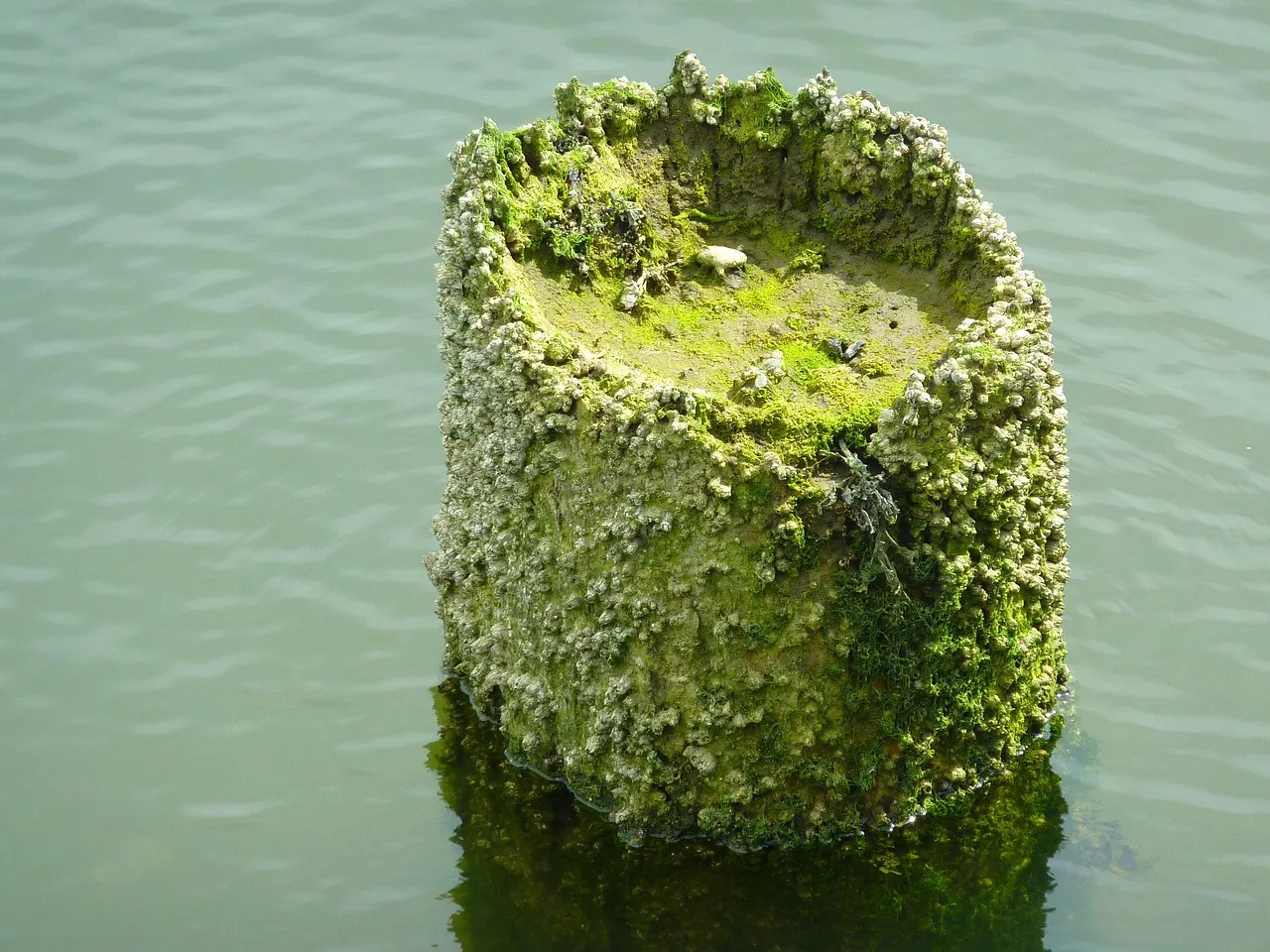
Shipworms, Teredo navalis, are molluscs that grow up to 45 cm long. Isopods, only about 3 mm long and looking like slaters, attack submerged wood in large numbers and eat it away layer by layer.
Rot and the moisture band
The EPA gives the band exactly: fungal spores take root and cause decay only when the timber’s moisture content is more than 20% and less than 60%.
Both edges of the band matter. On the dry side, WoodSolutions’ moisture guide says moisture held above 20% for a long time creates the conditions for fungal decay and mould, so keeping timber below that line is a basic construction target. On the wet side, Timber Queensland’s guide to flood-damaged timber notes that wood totally immersed in water for long periods will not decay or suffer fungal damage, because there is no oxygen.
Termites, and who protects new work
More than 350 termite species live in Australia, and around 20 of them do any significant damage to buildings, the CSIRO says. Drywood termites are more common in humid places, such as the tropical and subtropical parts of Queensland and New South Wales, where the main species of concern is the introduced West Indian drywood termite.
For building or renovating in NSW, the NSW Government says the builder is responsible for installing a termite risk management system for the work. It also warns: “Be aware that some building contracts may try to shift the builder’s liability for installing an appropriate TRM system to the owner.” Its list of systems that can be used runs from chemical and physical barriers to termite-resistant materials, construction methods and landscaping that discourages termites.
Buying an older house is a different question: sheet 01 explains why a building report will not tell you whether termites are still active.
Heartwood, sapwood and the durability classes
Not all timber needs treating. WoodSolutions explains that Australia rates the natural durability of timber species in four classes under AS 5604, Class 1 the most durable and Class 4 the least. A Class 1 timber such as ironbark may need no treatment in most settings, while a Class 4 timber such as radiata pine typically needs treatment to H3 or higher for outdoor use above ground.
The rating belongs to the heartwood only. Sapwood, the outer growth rings, is not durable and must be treated whatever the species if it is used exposed. And a high rating is not a promise: timber can fail early, WoodSolutions says, if it is used in the wrong place, poorly detailed or left unmaintained.
Against termites in particular, Victoria’s health department names red gum and white cypress pine as naturally resistant species, but says not all timber cut from a resistant species is equally resistant, and regrowth timber tends to resist less than old-growth. Some engineered wood, such as plywood and laminated veneer lumber, is made termite-resistant by adding insecticide to its glue lines during manufacture, the CSIRO says.
How treated timber is graded
Treated timber is graded by hazard class under the AS 1604 series, from H1 to H6, each a step up in the biological threat the timber must resist. At one end, H1 is for dry indoor timber threatened only by borers; at the other, H6 is for marine use, against marine borers and extreme decay, in jetty piles and sea walls. For house framing, the CSIRO says the minimum is H2, or H2F for framing used south of the Tropic of Capricorn.
A colour can hint at the treatment, green for CCA or red for LOSP, but WoodSolutions says colour is no guarantee of compliance: treated timber must carry a label or brand showing its treatment. Cut ends need re-treating to keep the protection, especially on exposed parts.
The grading and the moisture band point the same way. Timber that stays dry and inside asks the least of its treatment; timber in the ground or in the sea asks the most. Which pests then live in a building’s damp corners is the subject of sheet 02 on cockroaches, and where fumigation comes in, sheet 03.